Report Flock

For backyard and farm flocks

Birds sick or dying? Report it today.

Call your state veterinarian's office or USDA. The call is free, and a quick report is the best protection your flock and your neighbors' flocks have against bird flu.

USDA sick bird line · from any state

1-866-536-7593

Toll free, USDA Veterinary Services. Source

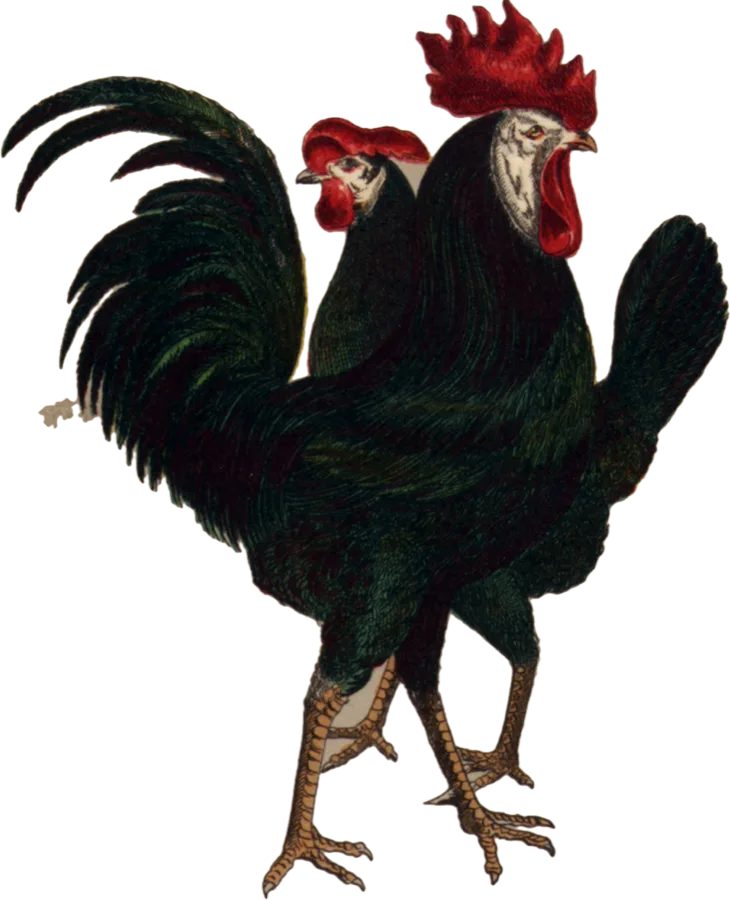
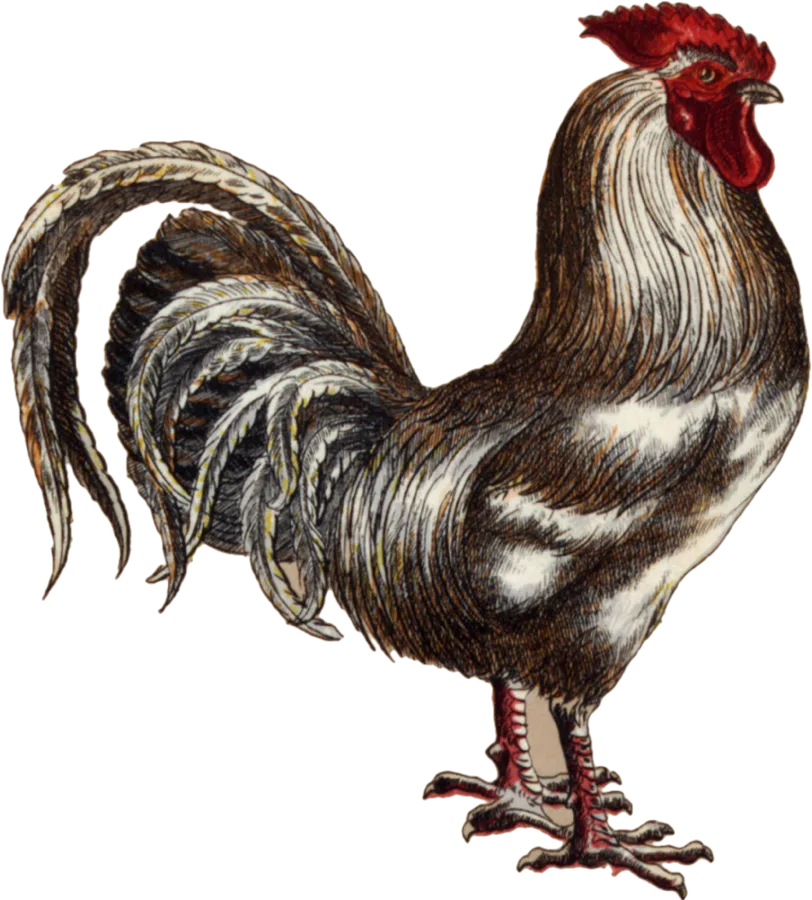
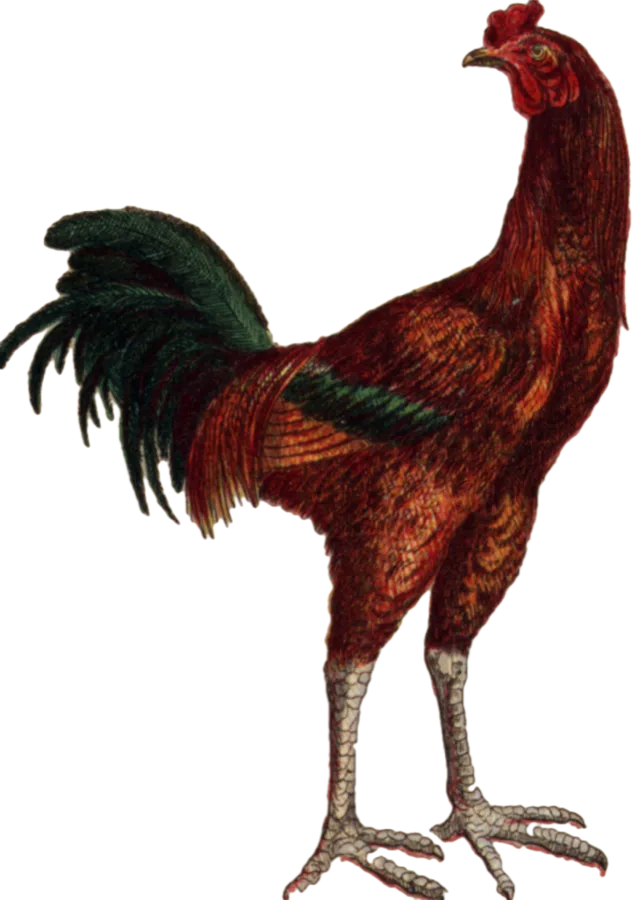
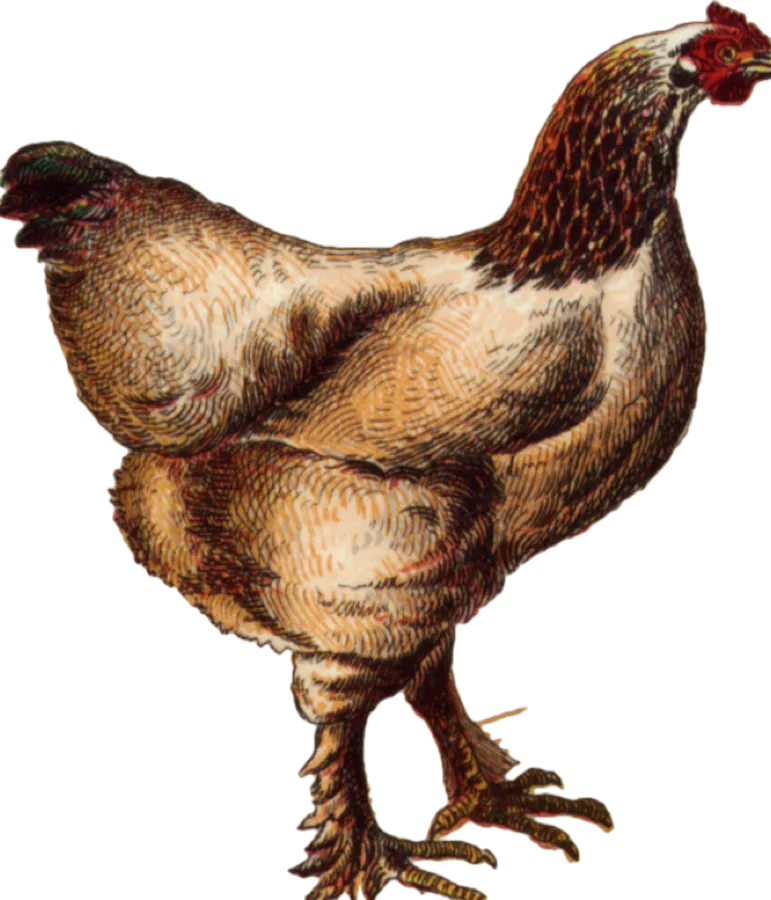
After L. Prang & Co., The Poultry of the World, 1868
No. 1

Call if you see

The signs of avian influenza USDA asks owners to watch for. One bird with one sign isn't always bird flu, but sudden deaths always deserve a call.

  • Sudden deaths with no sign of illness first
  • Gasping, trouble breathing
  • Twisted head and neck
  • Stumbling or falling over
  • Low energy, not eating
  • Fewer eggs, soft or misshapen eggs
  • Swollen eyelids, comb, wattles or legs
  • Purple comb, wattles or legs
  • Nasal discharge, coughing, sneezing
  • Diarrhea

From USDA APHIS, Avian Influenza.

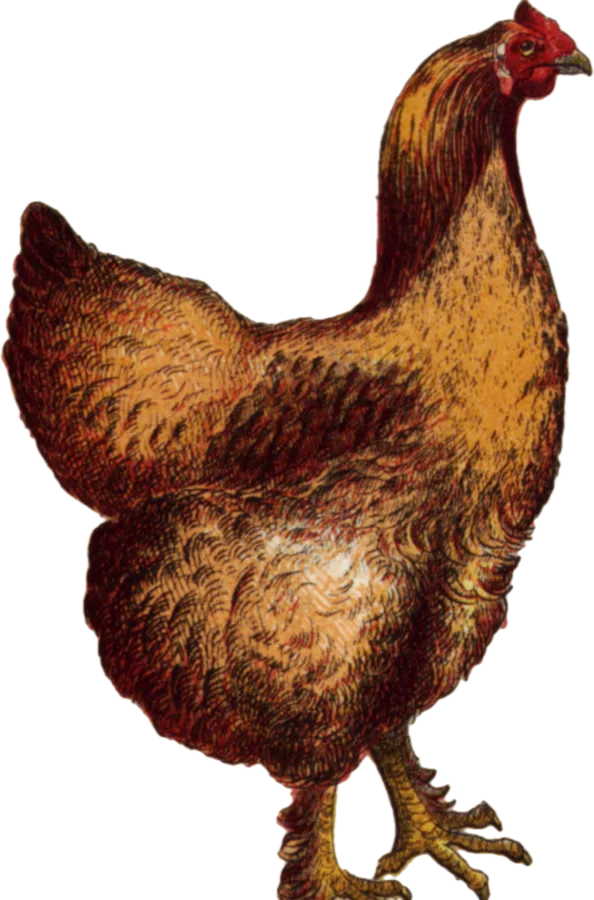
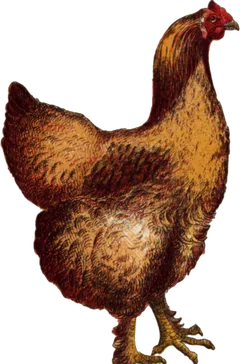
Cinnamon Cochin hen, 1868

No. 2

What to do while you wait

  1. Make the call.

    Have these ready: what kind of birds you keep and how many, how many are sick or dead and since when, and anything new, like added birds, a trip to a poultry swap, or wild ducks on your pond.

  2. Keep everything on the property.

    Don't sell, trade or give away birds, eggs, manure, litter or equipment until you hear back.

  3. Shut the flock in.

    Keep birds in the coop or a covered run, away from wild birds, and keep their feed and water covered.

  4. Hold on to the dead birds.

    The office may want one to test. Don't take a bird to a vet clinic or lab without calling first. Unless you're told otherwise, wear gloves, double-bag the bird and keep it somewhere cool where pets and wildlife can't get to it.

  5. Protect yourself.

    CDC advises gloves, an N95 mask and eye protection around sick birds. Change clothes and wash before you go back inside. For 10 days, watch for fever, cough or red, sore eyes, and if they show up, call a doctor and mention the birds.

  6. No visitors.

    Keep people off the property, and don't visit anyone else's birds.

Sources: USDA Defend the Flock, CDC, backyard flock owners.

No. 3

What happens after you call

A veterinarian from the state or USDA will follow up. If it sounds like a disease they need to rule out, someone will come out and swab a few birds, or collect a dead one, and send the samples to a lab.

If highly pathogenic avian influenza is confirmed, the flock is depopulated and the property is quarantined while it's cleaned and disinfected.

No. 5

Questions people ask

One of my hens died. Do I need to call?

Not always. One death with a clear cause, like a predator or a bird that was egg-bound, is part of keeping poultry. Call when several birds die within a day or two, when a bird dies suddenly with no warning, or when deaths come with any of the signs on this page.

Is reporting required?

Highly pathogenic avian influenza is a notifiable disease under federal rules, so suspected cases have to reach state or federal animal health officials. Many states also have their own reporting laws for poultry owners. Calling is how you meet that, and it is how your neighbors find out before it reaches their birds.

Will they kill my birds?

Only if testing confirms highly pathogenic avian influenza. Then the flock is depopulated and the property is put under quarantine so the virus can't spread. USDA pays indemnity for birds and eggs that have to be destroyed. It does not pay for birds that had already died of the disease, which is one more reason to call early.

Can I eat the eggs while I wait?

Don't eat, sell or give away eggs from a flock you think is sick. Hold them until the office tells you what to do with them.

What about my dog or cat?

Cats in particular have caught H5N1 from eating infected birds and raw products. Keep pets away from sick birds, dead birds and the coop until you have an answer.

I found a dead wild bird, not one of mine.

That goes to your state wildlife agency or USDA Wildlife Services instead. Who to call for wild birds.

National numbers last checked October 15, 2026.